



Summary:
Heating season is when carbon monoxide calls climb in Calgary. As the furnace, water heater and fireplace start working harder, any problem with combustion or venting becomes more likely to show up inside your home. This checklist walks through what to test, inspect and keep clear this fall, including carbon monoxide (CO) alarms, fuel-burning appliances, exhaust vents and attached garages, along with the warning signs to watch for and exactly what to do if your alarm sounds.
November 1 to 7 is Carbon Monoxide Awareness Week in Alberta, and the timing is no accident. Late October and early November are when most Calgary homes settle into running the heat every day. It is the right moment to spend twenty minutes walking through your home with this list, before the first deep cold snap rather than during it.
Carbon monoxide is a poisonous gas with no colour, smell or taste. It is produced when fuels like natural gas, propane, wood or gasoline burn, which means every gas furnace, water heater, fireplace, range and vehicle in your home is a potential source.
The Calgary Fire Department has said it sees an increase in carbon monoxide calls as fall temperatures drop and furnaces start working harder, and that it responds to roughly 1,500 to 2,000 CO-related calls a year, most of them during the winter months. Longer run times put more strain on worn components, and Calgary's snow and frost create one more risk: blocked exhaust and intake vents.
The good news is that most CO incidents are preventable. A working alarm, a properly maintained heating system and clear vents cover the majority of the risk.
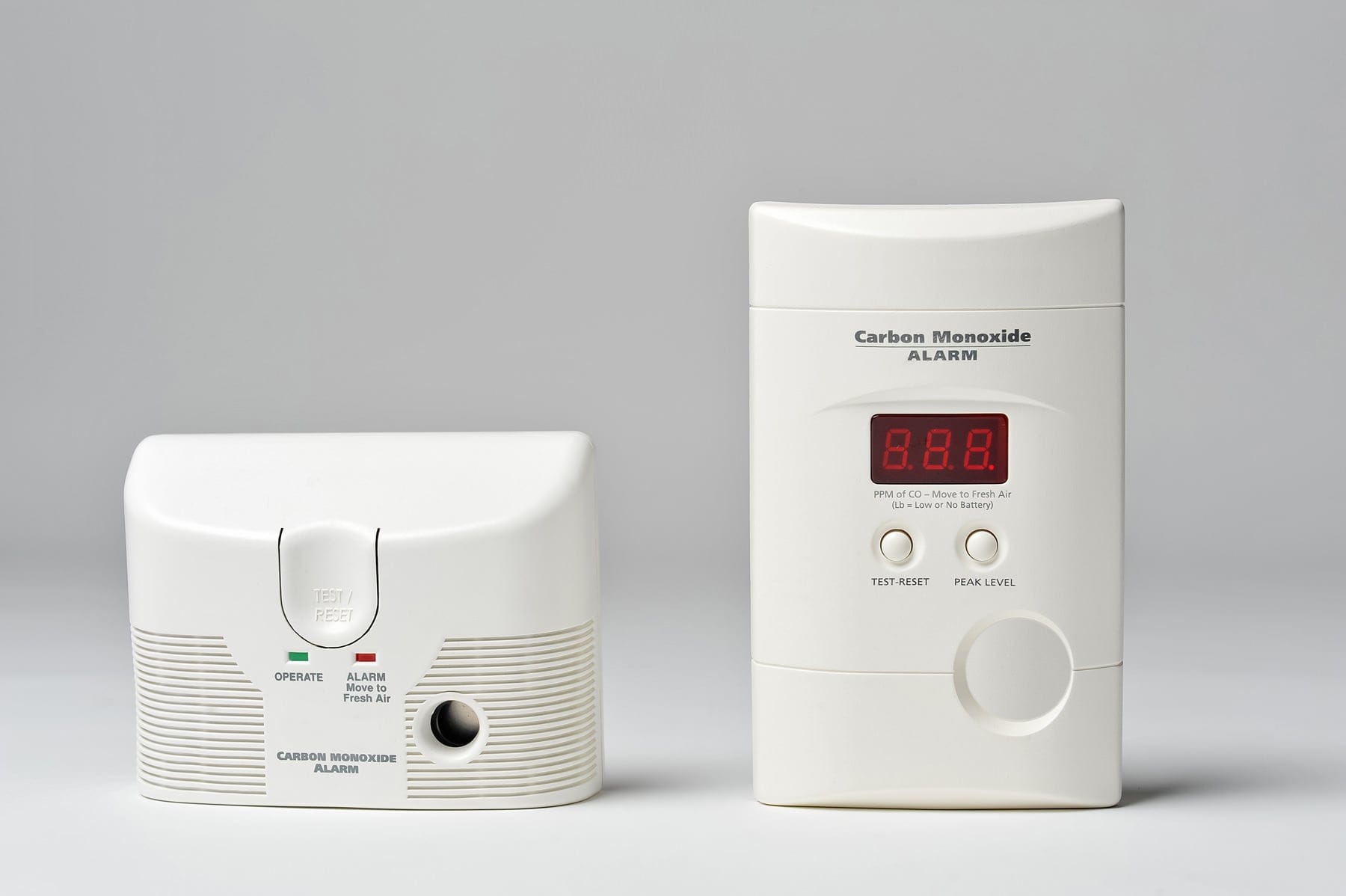
The Calgary Fire Department recommends at least one carbon monoxide alarm on every level of your home, including the basement. The most important location is in or near the bedrooms, since CO exposure is most dangerous when people are asleep and cannot notice symptoms.
Try a simple test: close the bedroom doors and have someone press the alarm's test button. If anyone sleeping in the home cannot hear it clearly, add an alarm inside the bedroom. When buying a new alarm, look for a certification mark from Underwriters Laboratories of Canada (ULC) or cUL on the packaging.
Alberta's building code requires CO alarms in new homes that have a fuel-burning appliance or an attached garage. If your home is older and does not have them, they are still strongly recommended. Plug-in, battery and hardwired models are all available, and combination smoke and CO alarms are a convenient option.
A CO alarm only protects you if it works. The Calgary Fire Department has noted that many of the CO calls it attends trace back to a faulty alarm, most often a dead battery.
The City of Calgary notes that the furnace is the most common source of CO in a home, but any appliance that burns natural gas or propane deserves attention. Fuel-burning appliances, chimneys and vents should be cleaned and inspected by a qualified professional every year, ideally before you start relying on them.
An annual furnace maintenance visit is the single most effective step you can take. A technician can check the burners, heat exchanger, flue and venting for the kinds of issues that lead to poor combustion. Do not forget your gas water heater, which shares many of the same venting risks, along with gas fireplaces, boilers and ranges.
Between inspections, take a look at the flame on any visible burner. It should be clear blue with occasional yellow tips. A flame that is mostly yellow or orange, flickering or lazy can point to incomplete combustion and is worth having checked.
Most modern high-efficiency furnaces and water heaters vent through plastic pipes on the side of the house, close to the ground. When a heavy snowfall or drifting snow covers those pipes, or frost builds up around them, exhaust gases can back up into the home. Calgary fire crews regularly report a spike in CO alarm activations after large snowfalls for exactly this reason.
After every significant snowfall, walk around the outside of your home and clear snow and ice from:
If a vent is repeatedly frosting over or your furnace keeps shutting down in the cold, have the venting looked at. Those shutdowns are often a safety feature doing its job, and the underlying cause needs attention.
Not every CO problem starts with a faulty appliance. A few common winter habits create risk on their own:
Carbon monoxide exposure often feels like the flu, which is what makes it so easy to miss during cold and flu season. Common symptoms include headaches, nausea, dizziness, confusion and fatigue, and high levels can cause loss of consciousness. One useful clue: symptoms that ease when you leave the house and return when you come back.
The City of Calgary also lists household signs that can point to a CO problem:
None of these signs replace a working alarm, but if you notice them, book an inspection rather than waiting to see if they go away.
Treat every carbon monoxide alarm as an emergency, even if nobody feels unwell.
Once the fire department has cleared your home, the source still needs to be found and fixed. Do not restart the appliance until it has been inspected and repaired by a qualified technician.
Keep this list handy and run through it each fall:
For more detail on alarm placement and prevention, the City of Calgary's carbon monoxide alarms page is a useful reference.
Alberta's building code requires CO alarms in new homes that contain a fuel-burning appliance or an attached garage. Older homes may not have been built with them, but the Calgary Fire Department recommends a working CO alarm on every level of every home.
A standard smoke alarm does not detect carbon monoxide. You need either a dedicated CO alarm or a combination smoke and CO alarm. Check the label to confirm what your current alarms actually detect.
You cannot see or smell CO, so a working alarm is the only reliable warning. Signs such as a mostly yellow burner flame, soot around the furnace, heavy window condensation or frequent safety shutdowns are reasons to book an inspection. An annual furnace service is the best way to catch combustion and venting problems early.
If your home has any fuel-burning appliance, such as a gas water heater, range or fireplace, or an attached garage, a CO alarm is still recommended. Vehicles running in an attached garage are a common source of CO even in homes without a gas furnace.
A working CO alarm warns you about a problem. A well-maintained heating system helps keep that problem from happening in the first place. Whether your furnace is due for its annual service, a vent keeps frosting over or your water heater is showing its age, ERM Plumbing & Heating can inspect your system and explain clearly what it needs.
Our team provides plumbing and heating services across Calgary. Contact ERM to book a heating inspection before the coldest weather arrives.
Add ERM Calgary as a Preferred Google Source to see our updates first!
A heating-season carbon monoxide checklist for Calgary homes, from alarms to vents.
Read More
Plumbing and heating checks before your Thanksgiving trip.
Read More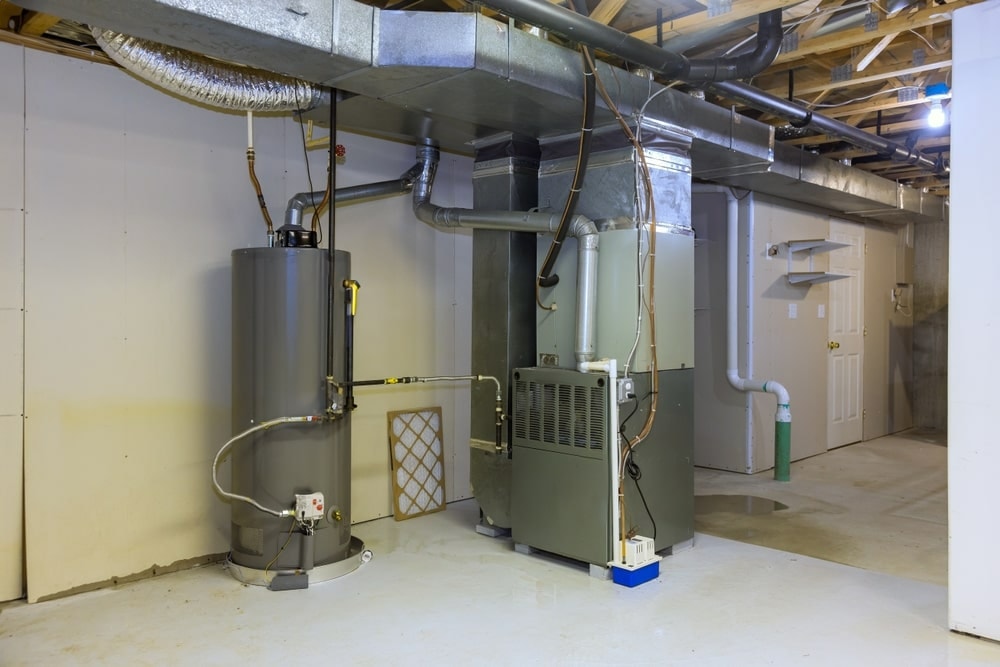
Prepare your Calgary water heater for winter with simple fall maintenance tips and expert advice.
Read More

